


Category Archives: Facility Management

Daily, Weekly, and Monthly Cleaning Tasks Every Commercial Building Needs

Keeping a commercial building clean requires more than occasional vacuuming and emptying trash cans. Offices, medical facilities, retail stores, warehouses, and other commercial spaces need consistent cleaning schedules to maintain health, safety, and a professional appearance. A structured daily, weekly, and monthly maintenance plan helps businesses stay cleaner, reduce long-term wear, and create a better environment for employees and customers. Daily Cleaning Tasks Daily cleaning focuses on high-traffic areas and surfaces that collect germs and dirt quickly. Common daily tasks include vacuuming carpets, mopping hard floors, sanitizing...
Read more

Why Professional Janitorial Services Matter for Employee Health and Productivity

A clean workplace is about much more than appearances. The condition of an office directly affects employee health, productivity, morale, and even customer impressions. Businesses that invest in professional janitorial services often experience fewer workplace illnesses, improved employee satisfaction, and a more professional environment overall. Every day, offices collect dust, bacteria, allergens, and germs on desks, door handles, break rooms, restrooms, and shared equipment. Without consistent cleaning and disinfecting, these contaminants can spread quickly among employees. This is especially true in high-traffic workplaces where many people...
Read more

What is Hantavirus and How Can It Be Prevented? Part 3

Treatment Options and Medical Interventions for Hantavirus Infection

Addressing the symptoms associated with a hantavirus infection requires prompt and comprehensive medical care, as it is crucial for improving patient outcomes. Once exposure to the virus has been identified or suspected, immediate medical attention can make a significant difference in managing the condition effectively. Healthcare professionals typically focus on providing supportive care tailored to alleviate specific symptoms, such as respiratory distress and fluid imbalances. Moreover, while there are currently no specific antiviral drugs specifically approved for treating...
Read more

What is Hantavirus and How Can It Be Prevented? Part 2

The Transmission of Hantavirus: How Does It Spread?

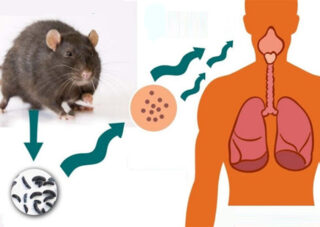
Understanding how hantavirus spreads is crucial, especially for those living in or near rural areas where rodent populations are prevalent. The primary mode of transmission from rodents to humans occurs through contact with infected rodent urine, droppings, or saliva. This can happen when people unknowingly inhale tiny particles containing the virus that become airborne as dust when these substances dry. The risk of airborne transmission is significant because activities such as sweeping a dusty barn or cleaning out...
Read more

What is Hantavirus and How Can It Be Prevented? Part 1

Understanding Hantavirus: What You Need to Know

Hantavirus is a serious infectious agent that demands our attention due to its potential impact on human health. This virus, primarily transmitted through contact with the droppings, urine, or saliva of infected rodents, poses a significant threat as it can lead to severe respiratory illnesses in humans. Notably, one of the most critical conditions caused by hantavirus is Hantavirus Pulmonary Syndrome (HPS), a rare but potentially fatal disease characterized by flu-like symptoms that rapidly progress into acute respiratory distress....
Read more